
Active Shooter Training Matters for Guards Aged 18 to 65, Not Just Young Recruits
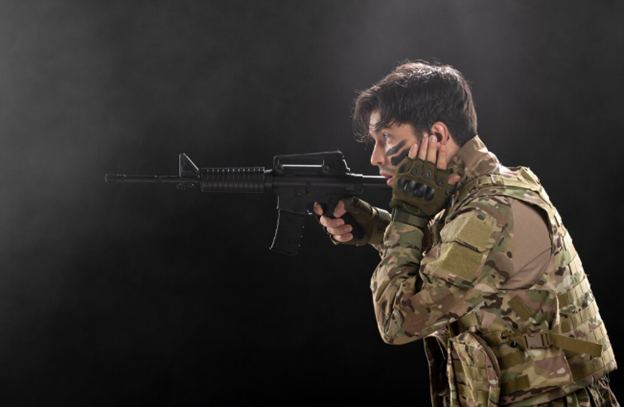
Most people think of a young, active person who is just out of high school, starting out as a security guard. But the truth is that the security business is open to people between the ages of 18 and 65, and sometimes even older, who are ready to serve, protect, and make a difference. Taking an “active shooter course” is one of the most important skills a security guard needs to learn right now.
New employees are not the only ones who receive these types of lessons. They are also significant to the older workers who are unfamiliar with the field, switching jobs, or gaining additional years of experience. In fact, the fact that people of all ages work in security makes the job stronger. The strengths of each age group would be natural, and an active-shooter course would integrate those strengths to ensure that everyone is always in shape, alert, and awake.
Emergencies Don’t Care About Your Age
This is one of the reasons why everybody should enroll in an active-shooter course because an emergency does not recognize your age, gender, experience, or shift time. Things can get so out of hand in a crisis. The person who is on duty is the first line of defense when there is an emergency. That means every guard, no matter how old they are (25 or 55), needs to be sure of themselves and know what to do.
It’s amazing how quickly things can go wrong in an emergency. Panic spreads faster than people think during times of high stress, like when there is an active shooter. With the right training, guards of all ages can act instead of stopping. Guards who are older are calmer and patient. Also, younger guards are fast and full of energy.
Age Diversity Brings Different Strengths to Crisis Response
There is a big myth in the security world that says only young guards can handle tough situations. Things are very different, though, when you learn and work with people in real life.
Further, guards who are older often bring:
- More stable emotions
- Better choices
- Years of experience with people
- A more stable presence in chaos
So, younger guards often bring:
- Faster reactions
- Faster sprint speed
- More endurance
- Better healing after long hours
An active shooter school teaches each guard what they’re good at and how important it is to work together. Older guards don’t feel left out; instead, they take the lead in planning, talking to others, and making quick decisions. Younger guards give you speed, movement, and strength. Moreover, this mix works together to make a balanced reaction that keeps people safe.
When it comes to protection, older people often worry about whether they can keep up physically. But the truth is that an active shooter training isn’t just about how to act physically. So, it’s more about being aware, paying attention, and making smart decisions.
The Modern Approach
- Reading body language
- Knowing the risks in the surroundings
- Picking the safest ways to get out
- Spotting suspicious behavior early
- Communicating and working together
- Keeping groups of people safe
- Staying calm under pressure
You can learn these skills at any age. In fact, many older guards are better at being mentally ready because they’ve had more time to learn how to read people and deal with conflict. Younger guards, on the other hand, should learn how to use their energy in a controlled and effective way.
Experience Helps You Lead Others During a Crisis
In an emergency, guards in their 40s, 50s, or 60s often don’t realize how important they are. Older guards often have something even more important than speed: they know how to lead.
Also, in a situation with an active shooter, people naturally look for someone who seems calm and in charge. As a rule, older guards are better at doing that job. Their tone, confidence, and calm thoughts make people feel less scared.
Moreover, the active shooter training provides pressure leadership:
- How to talk quickly and clearly
- How to keep people from getting scared
- Also, how to lead groups to safety
- How to make calls in a split second
- How can you help the police
Guardsmen who are younger learn skills that they will use for the rest of their careers.
The old guards are also a source of knowledge, and the young guards may be ambitious and eager to learn. Taking an active shooter training early on helps them form habits that will last a lifetime.
The younger you are when you learn crisis response:
- The easier it is to stay alert
- The faster you can spot danger
- Also, the more naturally you react
- The more secure you feel in dangerous jobs
By beginning at a tender age, you have a good foundation. At the age of 30, 40, or 50, you possess years of study, knowledge, and experience to support you.
Training Levels the Playing Field for Everyone
One of the best things about security training is that it gets rid of differences. Everyone is the same when you walk into an active shooter training. There’s no special care for anyone. So, everyone learns the same techniques, rules for safety, and ways to save lives.
This is especially important for people who:
- Have trouble reading
- Have trouble learning
- Don’t do well in regular classes
- Are you going back to school after a long break
You can do things even though you’re old. You can move on from your past. It’s important that you want to learn, practice, and keep other people safe.
Why This Training Matters More Than Ever
In today’s world, active shooter training are a real worry. No matter how old the guard is, 18, 35, or 65, the best thing they can do is get ready. It’s not enough to just take an active shooter lesson. Because it’s your duty, it gives guards the courage to keep others safe, the tools to stay calm, and the information to help people get through the worst possible situations.
And if you want to get better at what you do, feel better about yourself, and learn at your own pace, JumpStart Security Guard Training and Safety Tips can help you train smarter, not harder. Further, you can come back to the field after years or start from scratch. This is where training meets real-world experience.
Use what you’ve learned to help yourself, others, and your future.