From Newbie to Pro — What Really Happens in Security Guard Training
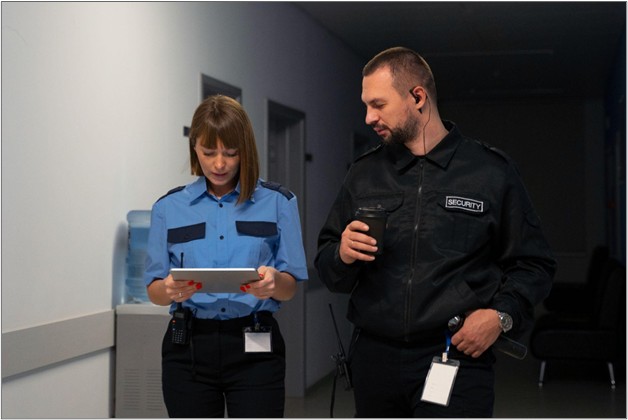
The room smells faintly of coffee and new uniforms. You look around, half-excited, half-nervous, as a few people in well-pressed shirts smile back. Everyone is trying to look confident, but you can sense the mix of excitement and apprehension that comes with starting something new. This is it. Day one of your security guard training.
The first day of training is not what most people expect. There’s no whistle or formal march—just a room full of committed faces learning what it means to protect. From de-escalation to emergency response, the training transforms common people into calm, skilled experts.
So, what actually happens when you sign up? What does it take to progress from an anxious trainee to a confident professional capable of dealing with emergencies, conflicts, and real-world security issues? Let’s take a behind-the-scenes look at the journey from beginner to pro.
1. Step One: The Orientation — Where It All Begins
The first day is always the same: a mix of excitement, coffee, and paperwork. You’re handed a stack of forms, introduced to your professors, and given a preview of what the next few weeks will bring.
Orientation involves more than just filling out forms and listening to rules. It’s where you start to understand the why behind the job. You learn what your duty means: safeguarding people, preserving order, and remaining calm in the midst of chaos when things go wrong.
Trainers discuss ethics, responsibility, and professionalism because security isn’t just physical; it is moral. You are taught that one wrong decision or moment of distraction can result in the loss of life or property. By the end of orientation, you’ve already begun to perceive the job differently.
2. The Classroom Phase — More Than Just Rules and Regulations
The classroom phase of security guard training might run from a few days to weeks, depending on your location and certification level. You’ll learn everything from law and use-of-force to emergency response and report writing.
At first, it may feel like information overload, with legal terms, incident codes, and procedures rushing at you from all sides. But your instructor continues reminding you that these rules are not red tape. They’re your shield.
And that is true. Every policy, every piece of paperwork is a function, which is sometimes learned the hard way by someone working in the field. You learn that what appears to be “boring regulation” actually protects you and others.
3. The Physical Training — Building Strength and Confidence
Now things get active. The classroom lessons move to the gym, the training yard, or the field — wherever theory may be put into practice.
This component isn’t just about sheer strength. It’s all about control, calmness, and confidence. You will learn how to de-escalate a disagreement before it goes physical, restrain someone safely if it does, and keep calm when tension is high.
You will also focus on your fitness, including endurance drills, defense tactics, and even basic first aid. And, while you may wake up feeling tired after the first few sessions, there’s something fulfilling about seeing yourself becoming stronger, faster, and more capable with each day.
4. The Real-World Scenarios — Where Things Get Serious
This is where the training gets serious. You’ll be faced with simulation tasks that appear to be taken directly from actual life. Perhaps it’s a simulated fire drill, a staged encounter, or an unexpected alarm test, and your duty is to react as if it were real.
You might be directing people to exits at one time. The next step is to call in details over a radio, check for risks, or calm a nervous crowd. The pressure is real—and that’s the goal.
Your professors will challenge you, question your decisions, and force you to think quickly. “What do you do if someone refuses to cooperate?” “What’s your first move in an evacuation?” These experiences teach you how to think critically under pressure.
5. Mentorship and Evaluation — Learning from the Pros
Mentorship is one of the most valuable aspects of security guard training. You’ll learn from experts who have worked in all kinds of settings, including hospitals and malls, corporate offices, and high-security facilities.
They’ll tell you stories of when things went just right and when they went terribly wrong. You’ll learn that small details, like a missing badge or a delayed response, can make all the difference.
You will also be evaluated through written tests, scenario assessments, and performance comments. Some days you’ll do it right, while others will remind you that there’s still room for improvement. However, with each critique, you become sharper, steadier, and better prepared for the field.
6. Certification and Beyond — The Moment It All Pays Off
After all of this effort, it’s time for the big moment: certification. This is the point at which your training reaches its peak in terms of skill and confidence. You pass your examinations, receive your credentials, and eventually gain the right to call yourself a licensed security guard.
That certificate is not merely a piece of paper. It is all you’ve learnt, including discipline, integrity, awareness, and courage. You’ve trained your body, strengthened your mind, and shown your ability to bear responsibility under pressure.
And now, new doors have opened. Whether you work in corporate security, event protection, residential safety, or for a private agency, you are taking on a very important position.
In Conclusion: Your Journey Starts Here
From the frightened first steps of orientation to the joyous moment when you put your badge on for the first time, security guard training changes you on the inside and out. You start as someone interested in a profession and leave as someone eager to defend, serve, and lead with confidence.
So, if you’ve ever considered becoming a security guard, take this as a sign. The training may challenge you, but it will also change you in ways you never expected.
Still have concerns or questions regarding security guard training? Then, prepare for classroom instruction with the course JumpStart Security Guard Training and Safety Tips and take the first step on your upcoming security guard training journey!