Think Being a Security Guard Is Easy? Here’s What Training Actually Teaches You

Ever heard someone say that being a security guard is an easy job? You know, “Just stand there, watch, and blow a whistle if something happens.” Sounds simple, right?
If you ask someone who actually passed through security guard training, though, you’ll hear a very different narrative. The truth is that this work requires a level of mental sharpness, physical control, and calmness under pressure that most people don’t even know about. Security work is more than just being present; it also requires planning, quick thinking, and professionalism.
Every shift could bring something new, including a medical emergency, a missing child, or a stressful situation that needs to be calmed down. It’s training that makes the difference between panic and calm in those moments.
If you assume that being a security guard only means “standing around,” let’s change that story. Here’s a closer look at what truly happens behind the scenes: the lessons, skills, and mindsets that make ordinary people into real-life protectors.
Lesson 1: Discipline Isn’t Optional — It’s the Foundation
Punctuality and Precision Matter
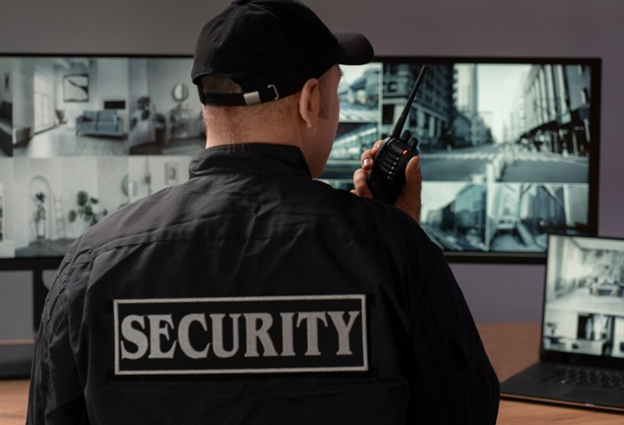
The first thing trainees learn? Discipline. In security guard training, being late isn’t just impolite; it’s also dangerous. When safety is at stake, every second counts. Timing and consistency are key when examining surveillance feeds or patrolling a property.
From the first day, trainers drill this into you. You learn to move with purpose, report quickly, and stay focused for hours on end. You don’t just “stand there,” you actively scan, anticipate, and think ahead.
Focus Is Your Real Muscle
Like any other ability, you can train your mind to stay alert for lengthy periods of time. You learn to ignore things that bother you and pay attention to simple things like an unsecured bag, a glimmer of movement, or a voice that is too loud. That much focus? It’s what makes places safe, and it’s not easy at all.
Lesson 2: Communication Is Your Superpower
Talking People Down, Not Over Them
A great security guard isn’t just strong; they also know how to deal with people. Training teaches you how to use your words instead of your fists to de-escalate situations.
Communication is your hidden weapon, whether you need to calm down an angry customer or settle a fight between workers. You learn that tone, body language, and even silence may change the whole outcome of an encounter.
Empathy Is Part of the Job
Not only are you enforcing rules, but you’re also dealing with people. And you quickly learn that people are hard to predict. Being a security guard entails knowing how to handle both feelings and rules.
Lesson 3: The Law Is Your Map
Knowing Where Your Authority Begins — and Ends
What do new trainees find most surprising? How much do you really need to know about the law? You don’t break the law; you operate within it. You’ll learn about trespassing laws and citizens’ arrest methods during training.
When can you detain someone? When is it time to call the police? These aren’t just little details; they’re important times that can make or break your credibility.
Ethics Aren’t Optional
Being a security guard means being in charge of something. You learn how to be fair, use as little force as possible, and keep people safe, even if they are causing trouble. The law isn’t just a set of rules; it’s also the moral compass that helps you make decisions every day.
Lesson 4: Observation Is a Skill You Train — Not a Gift
Seeing What Others Miss
Have you ever observed how security guards seem to “just know” when something’s wrong? That’s not luck; it’s trained awareness.
You learn how to interpret body language, spot inconsistencies, and detect possible issues before they turn into actual problems.
Becoming a Human Radar
After weeks of training, your brain learns to understand better what’s going on around you. You notice exits, crowd movement, lighting changes, and anxious people. It’s like having a sixth sense that could prevent an accident or detect a threat before it happens.
Being a security guard involves learning to be observant, not paranoid, but vigilant all the time.
Lesson 5: Strength Isn’t Just Physical — It’s Emotional
Keeping Calm When Others Can’t
Security guards have to deal with difficult situations, including emergencies, hostile behavior, or just uncertainty. Training teaches you how to stay calm as your adrenaline rises. You learn to breathe, assess, and act instead of react.
Courage Through Compassion
Compassion can be more difficult than conflict at times. True professionalism is having the emotional strength to help a lost child, calm a fearful employee, or help in a medical emergency. You realize that being strong doesn’t mean scaring people; it means staying quiet in the storm.
Lesson 6: Teamwork Makes Safety Work
Coordination Keeps Everything Running Smoothly
Movies may make the lone hero seem great, but in real life, security is a team sport. You learn how to work with other guards, supervisors, and police to deal with everything from lost goods to big evacuations.
Trust Is Built, Not Assigned
Being a security guard requires trusting your colleagues to have your back and winning their trust in return. You share shifts, problems, and sometimes even danger.
Lesson 7: Confidence Comes from Competence
From Rookie to Reliable
At first, you might not feel like you have any confidence at all. But things change when you learn the procedure, get the timing just right, and pass evaluations. You start to own the responsibility.
Professionalism Is Power
When training is over, you won’t be faking confidence anymore. You are sure of yourself because you know what to do, how to do it, and why it is important. That confidence affects every element of your life. The discipline, awareness, and respect you’ve created extend far beyond your shift.
Conclusion: The Truth About Being a Security Guard
So, still think being a security guard is easy?
In reality, this work needs a lot of discipline, emotional intelligence, and bravery. It’s about showing up with purpose, handling pressure with grace, and protecting people with both your head and your heart.
Security guards aren’t “just standing there.” They are the quiet backbone of safety in places like malls, hospitals, businesses, and neighborhoods.
Someone who knows how to make quick decisions, deal with chaos, and make sure everyone around them gets home safely is behind that calm, alert demeanor.
Thinking about joining the field? Get a JumpStart on your training right here! Find out exactly what you need to study before your certification course. JumpStart Security Guard Training and Safety Tips will give you the right start with fundamental knowledge, safety skills, and confidence to do well from the first day.