5 Everyday Personal Safety Tips That Make a Big Difference on Patrol
When you put on the uniform and go out to patrol, your principal job is to keep people safe. It’s easy to forget about your own safety when you’re busy looking out for everyone else. The truth is that every day, security personnel have to deal with events that are hard to forecast. You never know when a normal patrol will turn into a difficult situation or a need for help. That’s why it’s not only important to learn how to stay safe, but it’s necessary.
You can stay safe, be more aware, and do your job with confidence by doing these tiny things every day. So, let’s talk about five everyday personal safety tips that can make a big difference on patrol.
Stay Aware of Your Surroundings, Always
It may seem easy, but being aware of your surroundings is your best defence. A lot of security problems develop because someone was tired, distracted, or just not paying attention. Keeping your senses sharp is important whether you’re walking around a mall, a business building, or an outdoor event.
Being attentive is more than just glancing around. It’s about knowing what is usual in your surroundings and being able to tell when anything feels “off.” It could be someone standing in the shade for too long, a strange sound in a quiet place, or a car parked in the wrong place. These small indications usually happen before a greater problem.
Make it a habit to:
- Scan your surroundings in intervals, not just once when you start patrol.
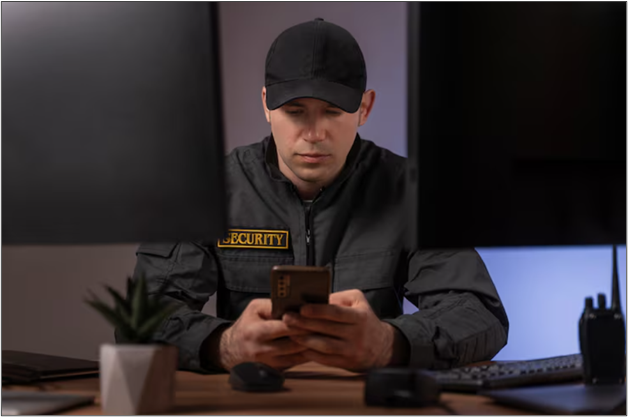
- Keep your phone use to a minimum while on duty.
- Take note of exits, illumination, and busy areas during each shift.
- Trust your gut; if something seems off, it probably is.
Being aware of your surroundings isn’t paranoia; it’s being professional. It keeps you one step ahead, ready to act rather than react.
Use Effective Communication and Backup Protocols
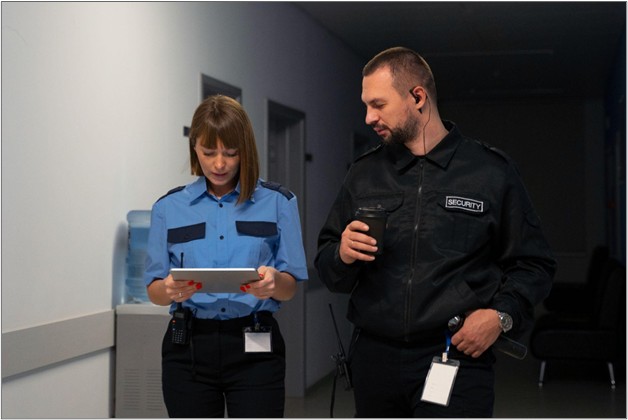
No matter how good a security guard is, they shouldn’t rely exclusively on themselves. When things get rough, having good communication skills can make all the difference. Having clear and reliable ways to talk to each other keeps you safe, whether you’re working alone or with a group.
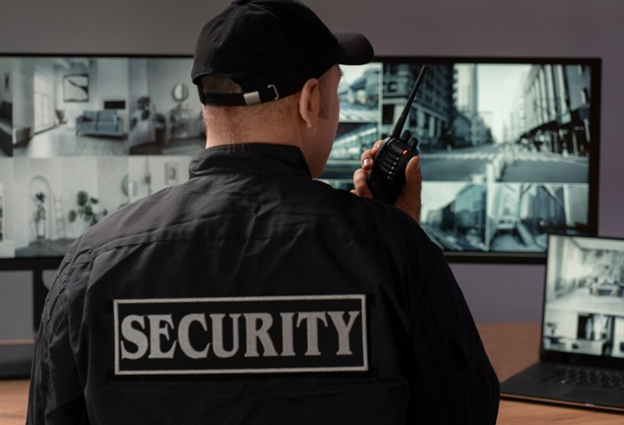
Check that your phone or radio is fully charged and functional before you start your shift. Make sure you and your colleagues know your patrol route and the emergency codes or signals used at work. Especially if you’re sent to a remote area, let someone know exactly where you are and when you expect to be back.
Good communication not only keeps you in touch with others, but it also lets them know that you are awake, professional, and in charge.
Maintain Proper Distance and Body Positioning
One of the biggest mistakes new security guards make is not realizing how important it is to be in the right place. More than you think, where you stand and how you move can make you less safe.
Keeping a safe distance during interactions, usually around two arm lengths, gives you time to react if something suddenly escalates. Don’t stand directly in front of someone or let them corner you in a doorway or against a wall. Always make sure you can see clearly and have a clear way out.
Another idea is to pay attention to how you stand. A balanced, upright stance gives off an air of authority and makes you ready to move fast. People are less inclined to push you if you look sure of yourself.
Take Care of Your Health and Energy Levels
You might be surprised to hear this, but taking care of yourself is the first step to being safe. Long hours, night shifts, and physical demands might make you tired. You become less aware when you are tired or your mind is foggy, which is when crashes happen.
Eat meals that are balanced before and during your shifts. Drink plenty of water. And whenever you can, get adequate sleep between patrols. Something as simple as drinking enough water can help you stay alert and focused.
Exercise also plays a big role. If you ever need to chase, restrain, or help someone, regular strength and flexibility training will not only keep you healthy, but it will also help you avoid getting hurt. Stress is part of the job, but if you don’t deal with it, it might make you make bad choices. Short mindfulness exercises, brief pauses, or deep breathing during quiet moments can have a significant impact.
Be Ready for the Unexpected, Train Like It’s Real
Every day of patrol is different. During the same shift, you might be in charge of lost property one day and medical emergencies the next. Because a security job is so unpredictable, training isn’t just preparation; it’s survival.
That’s why it’s so important to keep training. Gaining new skills, like defence strategies, emergency response, or first aid, makes you safer on the job. Training helps you stay calm and know what to do when things go wrong in real-life situations.
For instance, every guard should be able to handle medical emergencies. You could be the first person to arrive at an accident scene. What you do quickly could save someone’s life. If you know how to provide CPR, treat injuries, or help with evacuations, you can manage anything that comes your way.
Turn Patrol Safety Knowledge Into Real-World Confidence
In the end, staying safe is all about being ready, being attentive, and respecting yourself, your job, and the people you protect. Security guards who are always learning and don’t take their job lightly are the ones who do the best job.
JumpStart Security Guard Training and Safety Tips can help you improve your abilities and feel more confident in your job. Our platform gives you the patrol safety tools, advice, and real-world information you need to do your job well and stay safe. Learn at your own pace, get the confidence to confront any obstacle, and take the next step toward being a skilled and proud security guard who protects others and themselves.