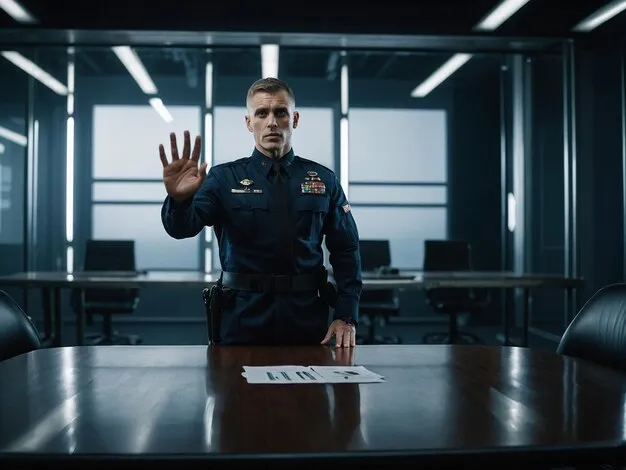
How Security Guard Training Has Evolved From Night Watchmen to Frontline Professionals

Introduction
There was a time when security guard training was simple. You came in, put on a uniform, learned how to walk the perimeter, and kept your eyes open for the long, quiet hours. Presence was the most important part of the job. You were ready if you were visible, awake, and knew who to call if something went wrong.
But the world didn’t stay quiet.
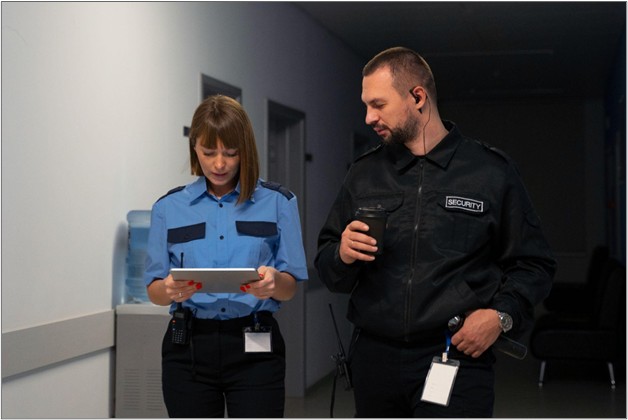
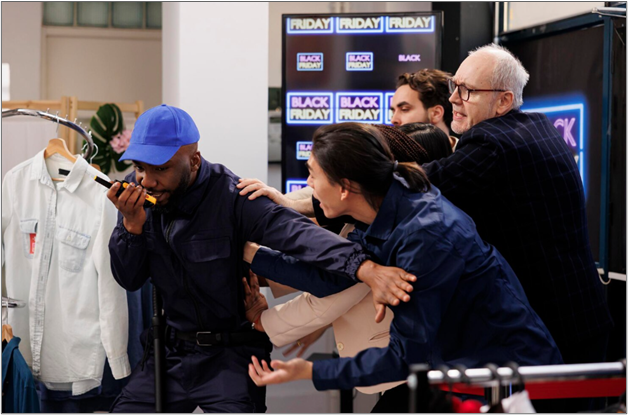
Today, security guards don’t just stand about and observe. They work in places where there is a lot of strain, uncertainty, and constant scrutiny. Shopping malls become places where people can control crowds. Offices are at risk from dangers they didn’t see coming. Events bring thousands of people together, and each situation has its own risks. And everything happens in front of smartphones, cameras, and the public.
It wasn’t simply the job that changed. That was what everybody thought would happen. Security guards are no longer just observers who wait for incidents to happen. They are trained to prevent them, deal with them, and make decisions when it counts. This change didn’t happen overnight, and it wasn’t an accident. It happened because training had to get better quickly.
1. The Old-School Era: When Presence Was the Job
A Uniform Was Enough
A long time ago, security work was all about visibility. A uniform showed that someone was in charge. A steady walk across parking lots or halls was typically enough to keep trouble away. It was easy to believe that nothing would happen if someone looked like they were watching.
Learning by Watching
Training was primarily informal while it existed. New guards learned by watching more experienced guards. There weren’t many structured courses, scenario practice, or lessons on psychology or communication. The job was reactive by nature: something happens, you respond, and then you report.
This method worked in a simpler time, to be fair. There were fewer threats, lower expectations, and less public accountability.
2. What Changed? (Hint: Everything)
A Faster, Louder, More Complicated World
Today, you can’t just sit back and let security do its job. Guards today work in environments where a wrong decision can quickly escalate and be caught on camera from five different viewpoints.
Threats changed. There was more interaction with the public. The laws got harder to understand. And all of a sudden, “just being there” wasn’t enough.
Security changed from watching things happen to stopping them before they happen.
3. The Modern Security Guard: A Completely Different Skill Set
Situational Awareness Over Standing Still
Today’s training teaches guards how to read situations instead of just patrolling them. That involves paying attention to behavioral signs, strange patterns, and small changes that show something is wrong. It’s not so much about where you are as it is about what you see.
De-Escalation Is the New Strength
There was a time when being there in person was the most important tool. Modern security training focuses on communication, including how to speak calmly, use controlled language, and have emotional intelligence. It’s often more important to know how to talk someone down than how to train them.
Now, real strength looks like a train.
Legal Knowledge Is No Longer Optional
Trained guards understand boundaries in the present. They know the right time to intervene. When to take a step back. How to properly record incidents. Training now protects both the guard and the public, both legally and professionally.
4. Training Today: Preparing for Pressure, Not Just Procedures
Training That Tries to Break You — Safely
It’s not easy to get modern security guard training, and that’s on purpose. Before they ever have to deal with them on the job, guards practice handling high-pressure situations through scenario-based learning. Role-playing, simulations, and stress testing require quick thinking and sound decision-making.
From One-Time Training to Continuous Learning
Today, training is continuous rather than getting only one certification. Expectations develop, threats shift, and environments change. The greatest training programs understand that preparation is a process rather than a checkbox.
5. Tech Changed the Training Game
You Are Working With Systems, Not Just Guarding People
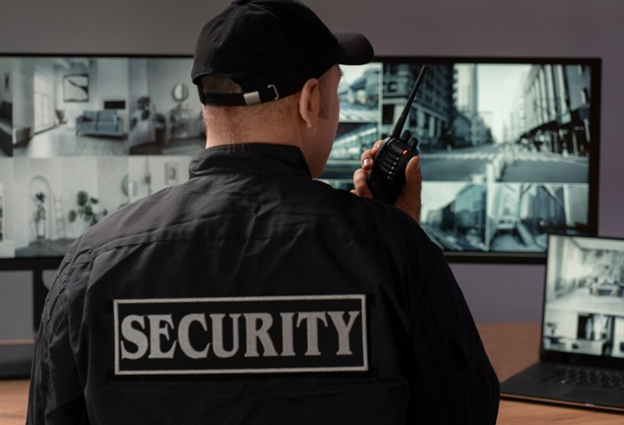
Guards today collaborate with one another. They operate with access control systems, surveillance tools, communication platforms, and reporting software. Instead of just watching screens, training now includes learning how to interpret data.
Human Judgment Still Matters
Technology doesn’t replace security; it helps it. Guards learn how to use tools to increase awareness rather than depending solely on instinct in training.
6. Why This Evolution Protects Everyone
Better Training, Better Results
Also, better training lowers the risk, liability, and expensive mistakes for businesses. For the public, it means safer contacts and more solutions. It gives guards more confidence, skill, and credibility. Well-trained guards know how to handle issues rather than make things worse.
Trust Is Built Through Preparation
When people feel safe around security, it is not usually because they are intimidated. It is because the guard knows just what to do. Training makes professionals who can be trusted when things become tough.
7. The Bigger Shift: From “Security Job” to “Security Career”
Identity Matters
The job itself evolved as training got better. Security guarding became more of a real professional path and less of a temporary job. Specializations have been created. It became possible to move up. Skill came after respect.
Professionalism Replaced Stereotypes
The old picture of the bored night watchman doesn’t work anymore. Security workers nowadays are trained, aware, and responsible, which makes the field stronger.
Summing Up
At first glance, today’s security guards may appear a lot like those from years ago. The uniform hasn’t changed much. The duty has.
The job used to be about watching, but today it’s about keeping people safe. Preparation, judgment, and response are now the main components of training, rather than presence. The way security guard training has changed shows a greater truth: safety isn’t passive anymore.
The night watchman was on the lookout for something to happen.
A professional in modern security makes sure it doesn’t.
And that difference, which is completely due to training, is what keeps the world moving safely forward today.
Ready to take the next step? JumpStart Security Guard Training and Safety Tips is designed to help you train smarter and feel safe from day one, whether you’re just starting out or getting better at what you do. Today, look into our courses, read our safety tips, and start building a security career you’re proud of.