How Medical Response Training Gives Security Guards a Life-Saving Edge
People frequently picture security guards as people who watch security cameras or check IDs at the door. But in reality, the role is much more than just watching and being there. When something bad happens, security guards are usually the first people to show up. Guardians are the first to respond, long before medical workers arrive, whether it’s an injury at work, a heart attack, or an accident in a busy public place. That’s when medical response training becomes more than a requirement; it becomes a real-life-saving advantage.
In a lot of ways, your medical response abilities become a part of who you are as a professional. You are more than just “the guard on duty.” A trained first responder is someone whom others can count on when something bad happens.
Why Medical Response Training Matters
Emergencies don’t send out invitations, so think about it. They happen out of the blue, in strange settings, and often when there is a lot of stress. For a security guard, medical response training means being ready to help when every second counts. The difference between being ready and panicking often comes down to what you learned in medical response training.
It’s not simply about learning how to do CPR or memorize the protocols for first aid. Understanding trauma, staying calm under pressure, and coordinating with emergency services are key. These are the times that show how professional and trustworthy someone is in the security area.
Being the First Responder When It Counts
Most of the time, security guards are the first people who can help in a business or public place. People naturally turn to the guard for help when something goes wrong, like a sudden collapse, a bleeding injury, or an accident. That’s why security guards who have had “medical response training” have a big advantage.
For instance, imagine being at a shopping mall when someone faints due to dehydration. Medically trained guards can evaluate breathing, pulse, safety, and first aid before paramedics arrive. That rapid action can save a life, stop more injuries, and calm down those who might otherwise panic.
Boosting Confidence and Decision-Making Skills
Medical situations are very distressing. Even specialists who have done this before can feel overwhelmed in the first few seconds. A trained guard doesn’t freeze, though; they think about what to do. Training builds muscle memory, so when a crisis occurs, the right response kicks in automatically.
Medical response training teaches security guards organized ways to handle multiple injuries, when to call for help, and how to give important information to first responders. That confidence not only helps the victims, but it also makes the guard do a better job overall.
Earning Trust and Respect on the Job
Let’s face it, security guards often interact with the public daily, but those interactions are usually routine. The times that really stick out are the ones that put your skills and character to the test. When you save a life, stop an injury from worsening, or help someone in distress, people remember.
Your boss, coworkers, and clients notice too. Guards who have been trained in medical response are more valuable in their jobs. When people see them as responsible, reliable, and able to work under pressure, it can lead to promotions, leadership roles, or specific jobs in the security field.
Preparing for a Range of Emergencies
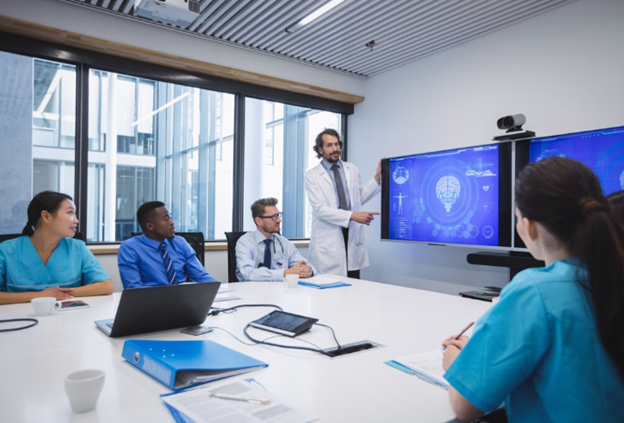
Another reason that medical response training gives guards an edge that could save their lives is that it prepares them for so many different situations. Emergencies can range from easy first aid scenarios to ones that could kill you. A good medical response program includes the following:
- First Aid Basics: The best and safest ways to treat small cuts, burns, or sprains.
- Using CPR and AED: Very important for bringing back people who have had a heart attack.
- Bleeding Control: Learning to apply pressure, use tourniquets, and manage shock.
- Choking Response: Knowing what to do right away to clear the airways in both adults and kids.
- Scene Safety: Assessing risks to ensure you and the victim are not in further danger.
These are not only abilities you need for employment; they are skills you need in life. Doing training in medical care lets you help anyone in need, whether you’re at home, at a family event, or out in public.
Staying Calm When Others Panic
One of the hardest things about dealing with medical emergencies is dealing with your own dread and the worry of others. People fear quickly when they see someone harmed or unconscious. A qualified security guard can establish control, soothe bystanders, and focus on the victim.
People in the security profession really respect this level of calm. Professionals are able to stay calm when others are scared, which demands mental strength. Medical response training teaches guards how to deal with stress, stay calm, and do the right thing when they’re under a lot of pressure.
Breaking Barriers and Building Opportunities
Some people find it hard to study in a regular classroom. Reading a lot of words or things with a lot of words may be hard, especially for people who have learning differences like dyslexia. That’s why training programs that are easy to get to and helpful are so important.
At JumpStart Security Guard Training and Safety Tips, the goal isn’t only to pass tests; it’s also to learn the information in a way that really boosts your confidence. Everyone, regardless of background or learning style, should have a fair chance to thrive and serve their community safely and professionally.
Training That Essentially Saves Lives
At the end of the day, a security guard’s job isn’t only to defend property; it’s also to protect people. Medical response training makes regular guards become amazing first responders. It teaches more than just how to do things; it gives you confidence, calmness, and kindness.
It’s time to invest in yourself if you’ve ever wanted to be ready for anything, stand up in an emergency, or earn the trust and respect of others around you.
You may learn at your own pace, get important skills, and get ready to make a difference at JumpStart Security Guard Training and Safety Tips. Knowledge isn’t only power in security; it’s the power to save lives.